
The 20 Top Universities in the USA for 2026: Your Guide to the Best Colleges + Expert Tips
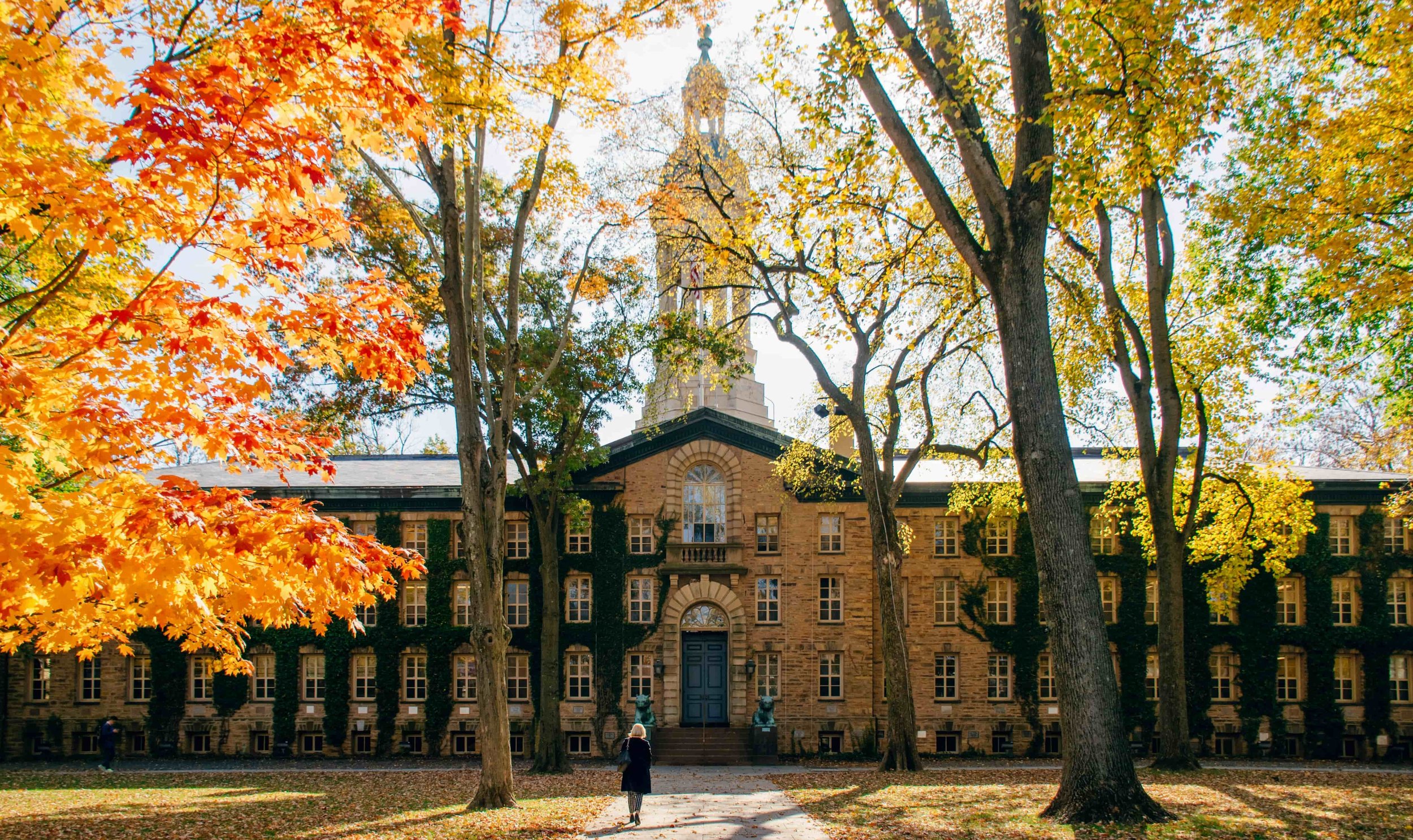
The United States is home to some of the world’s best colleges, with unique academic strengths, vibrant student cultures, and powerful global reputations. But with so many exceptional options, picking the right school—and earning admission—can feel overwhelming.
What Makes a University Elite? Is it faculty research impact, alumni networks, or the chance to work with Nobel laureates? In this guide, we unlock the answers with an up-to-date, expert-curated look at the top universities in the USA for 2026.
Why Read This? We’ll introduce you to the 20 best colleges in the US, share essential data, highlight unique aspects of each, and most importantly, provide expert tips that can help you stand out in a hyper-competitive application process.
Reserve your FREE 30-minute college admissions consultation with a Harvard PhD/admissions expert!
Table of Contents
Princeton University
Massachusetts Institute of Technology (MIT)
Harvard University
Stanford University
Yale University
California Institute of Technology (Caltech)
Duke University
Johns Hopkins University
Northwestern University
University of Pennsylvania
University of Chicago
Columbia University
Brown University
Dartmouth College
Cornell University
Rice University
Vanderbilt University
University of California, Berkeley (UC Berkeley)
University of California, Los Angeles (UCLA)
University of Michigan, Ann Arbor
FAQs
Conclusion
1. Princeton University
Location: Princeton, NJ
Year founded: 1746
Undergraduate enrollment: ~5,700
Admissions: Accepts Common App, deadline Jan. 1, acceptance rate ~4%
SAT/ACT (mid 50%): 1500–1580 / 34–35 | Average high school GPA: 3.9
Tuition & fees: $65,210 (2025-26) | Food & housing: $21,170 (2025-26)
Average aid (first year): 67% of students receive need-based aid, average net price $8,143
Student-faculty ratio: 5:1 | Average class size: Tiny, 77% of classes under 20
Popular majors: Social Sciences, Engineering, Computer Science
Unique perks: Senior thesis for all, gorgeous Gothic campus, “eating clubs”
Cons: Suburban “bubble”, intense workload
Expert admission tip: Excel in secondary school math—Princeton is known for analytical rigor even for non-STEM majors.
Fun fact: Albert Einstein was a Princeton faculty member until his death in 1955.
2. Massachusetts Institute of Technology (MIT)
Location: Cambridge, MA
Year founded: 1861
Undergraduate enrollment: ~4,600
Admissions: Does NOT accept Common App (uses its own), deadline Jan. 1, acceptance rate ~5%
SAT/ACT (mid 50%): 1510–1580 / 34–36 | Average high school GPA: Not reported
Tuition & fees: $64,730 (2025-26) | Food & housing: $21,264 (2025-26)
Average aid (first year): 56% of students receive need-based aid, average net price $20,338
Student-faculty ratio: 3:1 | Average class size: 62% under 20 students
Popular majors: Computer Science, Mathematics, Mechanical Engineering
Unique perks: Legendary “hacks,” UROP research for everyone
Cons: Intense academic culture, high stress
Expert admission tip: Demonstrate passion for problem-solving through extracurricular competition (FIRST Robotics, USAMO, Science Olympiad, etc.)
Fun fact: Its mascot is a beaver, “nature’s engineer.”
3. Harvard University
Location: Cambridge, MA
Year founded: 1636
Undergraduate enrollment: ~7,100
Admissions: Accepts Common App, deadline Jan. 1, acceptance rate ~3%
SAT/ACT (mid 50%): 1500–1580 / 34–36 | Average high school GPA: 3.9
Tuition & fees: $64,796 (2025-26) | Food & housing: $22,130 (2025-26)
Average aid (first year): 55% of students receive need-based aid, average net price $19,500
Student-faculty ratio: 7:1
Popular majors: Social Sciences, Biology, Mathematics
Unique perks: Peabody Museum, Widener Library, Yardfest
Cons: Size (can feel impersonal), competitive environment
Expert admission tip: Pursue a “spike”—unusual excellence in one area, not just broad high achievement.
Fun fact: Widener Library was funded (indirectly) by the Titanic’s sinking in 1912.
4. Stanford University
Location: Stanford, CA
Year founded: 1885
Undergraduate enrollment: ~8,000
Admissions: Accepts Common App, deadline Jan. 5, acceptance rate ~4%
SAT/ACT (mid 50%): 1510–1580 / 34–35 | Average high school GPA: 3.9
Tuition & fees: $68,544 (2025-26) | Food & housing: $22,167 (2025-26)
Average aid (first year): 49% of students receive need-based aid, average net price $10,851
Student-faculty ratio: 6:1
Popular majors: Computer Science, Social Sciences, Engineering
Unique perks: D.school (design thinking), “Bike everywhere” campus
Cons: Quarter system pressure, high cost of living
Expert admission tip: Document entrepreneurial or innovative experiences; Stanford loves “builders.”
Fun fact: Stanford’s unofficial mascot is a dancing tree.
5. Yale University
Location: New Haven, CT
Year founded: 1701
Undergraduate enrollment: ~6,800
Admissions: Accepts Common App, deadline Jan. 2, acceptance rate ~5%
SAT/ACT (mid 50%): 1500–1580 / 33–35 | Average high school GPA: Not reported
Tuition & fees: $69,900 (2025-26) | Food & housing: $20,650 (2025-26)
Average aid (first year): 49% of students receive need-based aid, average net price $18,535
Student-faculty ratio: 5:1
Popular majors: Social Sciences, Biology, Computer Science
Unique perks: 14 residential colleges, Yale Whiffenpoofs (acapella)
Cons: New Haven’s city safety, less engineering focus
Expert admission tip: Stand out in the “Why Yale?” short response; specificity matters.
Fun fact: Hosts America’s oldest collegiate daily newspaper, The Yale Daily News.
6. California Institute of Technology (Caltech)
Location: Pasadena, CA
Year founded: 1891
Undergraduate enrollment: ~1,000
Admissions: Accepts Common App, deadline Jan. 3, acceptance rate ~3%
SAT/ACT (mid 50%): Not reported | Average high school GPA: Not reported
Tuition & fees: $68,208 (2025-26) | Food & housing: $20,991 (2025-26)
Average aid (first year): 51% of students receive need-based aid, average net price $16,550
Student-faculty ratio: 3:1
Popular majors: Computer Science, Mechanical Engineering, Physics
Unique perks: Honor Code governs tests (often take-home), proximity to NASA Jet Propulsion Laboratory
Cons: Tiny social scene, demanding workload
Expert admission tip: Substantiate interest in original STEM research or Olympiad competition.
Fun fact: Runs the US Geological Survey Southern California Seismic Network, making it a world leader in earthquake detection and research.
7. Duke University
Location: Durham, NC
Year founded: 1838
Undergraduate enrollment: ~6,500
Admissions: Accepts Common App, deadline Jan. 2, acceptance rate ~7%
SAT/ACT (mid 50%): 1520–1570 / 34–35 | Average high school GPA: Not reported
Tuition & fees: $73,172 (2025-26) | Food & housing: $20,985 (2025-26)
Average aid (first year): 41% of students receive need-based aid, average net price $30,785
Student-faculty ratio: 5:1
Popular majors: Public Policy, Biology, Economics
Unique perks: Cameron Crazies (basketball), beautiful Gothic West Campus
Cons: Hot humid climate, highly competitive culture
Expert admission tip: Emphasize leadership in service/volunteer projects. Duke values civic engagement.
Fun fact: Has one of the largest university-owned forests in the country.
8. Johns Hopkins University
Location: Baltimore, MD
Year founded: 1876
Undergraduate enrollment: ~6,100
Admissions: Accepts Common App, deadline Jan. 3, acceptance rate ~8%
SAT/ACT (mid 50%): 1530–1580 / 34–35 | Average high school GPA: 3.9
Tuition & fees: $67,170 (2025-26) | Food & housing: $21,002 (2025-26)
Average aid (first year): 52% of students receive need-based aid, average net price $20,820
Student-faculty ratio: 6:1
Popular majors: Molecular and Cellular Biology, Computer Science, Neuroscience
Unique perks: Direct undergrad research, Peabody music conservatory
Cons: Baltimore location’s safety, “Work hard, play hard” culture
Expert admission tip: Submit a strong research abstract or “maker” project in the supplement.
Fun fact: First US research university.
9. Northwestern University
Location: Evanston, IL
Year founded: 1851
Undergraduate enrollment: ~8,800
Admissions: Accepts Common App, deadline Jan. 1, acceptance rate ~8%
SAT/ACT (mid 50%): 1490–1580 / 33–35 | Average high school GPA: Not reported
Tuition & fees: $70,589 (2025-26) | Food & housing: $21,975 (2025-26)
Average aid (first year): 43% of students receive need-based aid, average net price $25,057
Student-faculty ratio: 6:1
Popular majors: Economics, Psychology, Communication Studies
Unique perks: Lakeside campus, quarter system flexibility
Cons: Cold winters, quarter system pressure
Expert admission tip: Demonstrate a unique interdisciplinary interest—Northwestern is “and, not or.”
Fun fact: Alumni include Stephen Colbert and Meghan Markle.
10. University of Pennsylvania (UPenn)
Location: Philadelphia, PA
Year founded: 1740
Undergraduate enrollment: ~10,000
Admissions: Accepts Common App, deadline Jan. 5, acceptance rate ~5%
SAT/ACT (mid 50%): 1500–1570 / 34–35 | Average high school GPA: 3.9
Tuition & fees: $71,236 (2025-26) | Food & housing: $19,876 (2025-26)
Average aid (first year): 46% of students receive need-based aid, average net price $26,138
Student-faculty ratio: 8:1
Popular majors: Business, Biology, Social Sciences
Unique perks: One of few elite schools with an undergraduate business focus
Cons: Fast-paced, pre-professional
Expert admission tip: Show unique fit for integrated programs (Huntsman, Management & Technology).
Fun fact: Founded by Benjamin Franklin.
11. University of Chicago
Location: Chicago, IL
Year founded: 1890
Undergraduate enrollment: ~7,500
Admissions: Accepts Common App, deadline Jan. 5, acceptance rate ~4%
SAT/ACT (mid 50%): 1510–1570 / 34–35 | Average high school GPA: Not reported
Tuition & fees: $73,266 (2025-26) | Food & housing: $20,835 (2025-26)
Average aid (first year): 34% of students receive need-based aid, average net price $20,531
Student-faculty ratio: 5:1
Popular majors: Economics, Mathematics, Computer Science
Unique perks: Core Curriculum, unique application essay prompts
Cons: Heavy workload and grading rigor, cold winters
Expert admission tip: Craft uncommon essays to showcase your intellectual curiosity and love for debate.
Fun fact: Founding place of the first US nuclear reactor.
12. Columbia University
Location: New York, NY
Year founded: 1754
Undergraduate enrollment: ~8,900
Admissions: Accepts Common App, deadline Jan. 1, acceptance rate ~4%
SAT/ACT (mid 50%): 1490–1580 / 34–35 | Average high school GPA: Not reported
Tuition & fees: $71,170 (2024-25) | Food & housing: $17,580 (2024-25)
Average aid (first year): 46% of students receive need-based aid, average net price $23,497
Student-faculty ratio: 6:1
Popular majors: Computer Science, Economics, Political Science
Unique perks: Core Curriculum, NYC access
Cons: Expensive city life, larger lecture classes
Expert admission tip: Connect your goals to the Core Curriculum and NYC’s resources in your essays
Fun fact: Awards the Pulitzer Prizes.
13. Brown University
Location: Providence, RI
Year founded: 1764
Undergraduate enrollment: ~7,700
Admissions: Accepts Common App, deadline Jan. 3, acceptance rate ~5%
SAT/ACT (mid 50%): 1500–1570 / 34–35 | Average high school GPA: Not reported
Tuition & fees: $74,550 (2025-26) | Food & housing: $18,514 (2025-26)
Average aid (first year): 47% of students receive need-based aid, average net price $27,157
Student-faculty ratio: 6:1
Popular majors: Social Sciences, Computer Science, Mathematics
Unique perks: Open Curriculum—no required general ed courses
Cons: Self-directed students thrive, others may feel adrift
Expert admission tip: Emphasize curiosity and examples of self-motivated learning
Fun fact: Only Ivy League with an open curriculum.
14. Dartmouth College
Location: Hanover, NH
Year founded: 1769
Undergraduate enrollment: ~4,400
Admissions: Accepts Common App, deadline Jan. 1, acceptance rate ~5%
SAT/ACT (mid 50%): 1500–1570 / 33–35 | Average high school GPA: Not reported
Tuition & fees: $71,265 (2025-26) | Food & housing: $20,670 (2025-26)
Average aid (first year): 54% of students receive need-based aid, average net price $31,120
Student-faculty ratio: 6:1
Popular majors: Social Sciences, Computer Science, Engineering
Unique perks: D-Plan (flexible quarter calendar), Dartmouth Outing Club
Cons: Rural isolation, colder than most
Expert admission tip: Demonstrate interest through a campus visit or alumni interview. Dartmouth highly values “demonstrated interest.”
Fun fact: Home to the country’s oldest and largest college winter carnival.
15. Cornell University
Location: Ithaca, NY
Year founded: 1865
Undergraduate enrollment: ~16,000
Admissions: Accepts Common App, deadline Jan. 2, acceptance rate ~8%
SAT/ACT (mid 50%): 1500–1570 / 33–35 | Average high school GPA: Not reported
Tuition & fees: $72,270 (2025-26) | Food & housing: $20,574 (2025-26)
Average aid (first year): 48% of students receive need-based aid, average net price $29,651
Student-faculty ratio: 9:1
Popular majors: Computer Science, Business, Engineering
Unique perks: Largest Ivy, mix of private/public colleges within Cornell
Cons: Cold, rural, and can be impersonal due to size
Expert admission tip: Tailor your application carefully to the specific undergraduate college you’re applying to; they all have different focuses and criteria.
Fun fact: Has its own dairy bar, where students can enjoy ice cream made from milk produced by the university’s own dairy cows.
16. Rice University
Location: Houston, TX
Year founded: 1912
Undergraduate enrollment: ~4,600
Admissions: Accepts Common App, deadline Jan. 4, acceptance rate ~8%
SAT/ACT (mid 50%): 1500–1570 / 34–36 | Average high school GPA: Not reported
Tuition & fees: $65,475 (2025-26) | Food & housing: $19,550 (2025-26)
Average aid (first year): 45% of students receive need-based aid, average net price $15,091
Student-faculty ratio: 6:1
Popular majors: Computer Science, Biology, Management Sciences
Unique perks: Residential college system, excellent merit grants
Cons: Humid heat, heavy course loads in sciences
Expert admission tip: Show evidence of collaboration and community contribution.
Fun fact: Random residential college assignments create unique student mixing.
17. Vanderbilt University
Location: Nashville, TN
Year founded: 1873
Undergraduate enrollment: ~7,200
Admissions: Accepts Common App, deadline Jan. 1, acceptance rate ~6%
SAT/ACT (mid 50%): 1510–1560 / 34–35 | Average high school GPA: 3.9
Tuition & fees: $71,226 (2025-26) | Food & housing: $23,048 (2025-26)
Average aid (first year): 50% of students receive need-based aid, average net price $20,917
Student-faculty ratio: 8:1
Popular majors: Social Sciences, Computer Science, Biology
Unique perks: D1 SEC sports, music campus culture
Cons: Greek life dominates, can be cliquish
Expert admission tip: Pursue arts/music or community service. Vanderbilt values well-rounded “culture guides.”
Fun fact: Named for railroad magnate Cornelius Vanderbilt (who never visited!).
18. University of California, Berkeley
Location: Berkeley, CA
Year founded: 1868
Undergraduate enrollment: ~33,400
Admissions: Does NOT accept Common App (uses UC-specific app), deadline Nov. 30, acceptance rate ~11%
SAT/ACT (mid 50%): Not reported | Average high school GPA: 3.9
In-state tuition & fees: $17,721 (2025-26) | Out-of-state tuition & fees: $55,323 (2025-26) | Food & housing: $24,558 (2025-26)
Average aid (first year): 45% of students receive need-based aid, average net price $17,371
Student-faculty ratio: 18:1
Popular majors: Computer Science, Social Sciences, Engineering
Unique perks: Campus activism, proximity to San Francisco
Cons: Large courses, impacted majors (i.e., you’ll need to compete for an available spot in that major)
Expert admission tip: Use the UC Personal Insight Questions to show unique initiative—avoid listing generic activities.
Fun fact: The Free Speech Movement started here in the 1960s.
19. University of California, Los Angeles (UCLA)
Location: Los Angeles, CA
Year founded: 1919
Undergraduate enrollment: ~33,000
Admissions: Does NOT accept Common App (uses UC-specific app), deadline Nov. 30, acceptance rate ~9%
SAT/ACT (mid 50%): Not reported | Average high school GPA: 3.9
In-state tuition & fees: $14,824 (2025-26) | Out-of-state tuition & fees: $48,674 (2025-26) | Food & housing: $18,960 (2025-26)
Average aid (first year): 46% of students receive need-based aid, average net price $15,637
Student-faculty ratio: 20:1
Popular majors: Social Sciences, Biology, Psychology
Unique perks: Strong sports culture, arts and entertainment partnerships
Cons: Large, busy campus, competitive housing
Expert admission tip: Quantify your impact; leadership, initiative, or “big results” are valued.
Fun fact: Receives more applications annually than any other US school.
20. University of Michigan – Ann Arbor
Location: Ann Arbor, MI
Year founded: 1817
Undergraduate enrollment: ~33,700
Admissions: Accepts Common App, deadline Feb. 1, acceptance rate ~16%
SAT/ACT (mid 50%): 1350–1530 / 31–34 | Average high school GPA: 3.9
In-state tuition & fees: $19,497 (2025-26) | Out-of-state tuition & fees: $66,203 (2025-26) | Food & housing: $16,246 (2025-26)
Average aid (first year): 37% of students receive need-based aid, average net price $16,792
Student-faculty ratio: 15:1
Popular majors: Computer Science, Economics, Business
Unique perks: “The Big House” stadium, top alumni network
Cons: Cold winters, competitive internal transfers
Expert admission tip: Senior year grades matter more than at other top public universities, so keep up good grades. Better yet, improve them during your senior year.
Fun fact: Has the largest college football stadium in the US.
FAQs: Top Universities
Which US university is #1 overall?
Princeton University is ranked #1 by U.S. News for 2026.
What are the top 10 universities in the USA?
According to ranking sources such as U.S. News, the top 10 are:
Princeton
MIT
Harvard
Stanford
Yale
Caltech
Duke
Johns Hopkins
Northwestern
University of Pennsylvania
What are the top 10 hardest colleges to get into?
The hardest colleges typically include MIT, Stanford, Harvard, Caltech, Yale, Princeton, Columbia, University of Chicago, Brown, and Duke. Acceptance rates at these schools can drop as low as 3%.
What college has the lowest acceptance rate?
Harvard, Stanford, MIT, and Caltech consistently report among the lowest acceptance rates—sometimes as low as 3%—making them the hardest to get into in the US.
What’s the hardest university to get into?
Harvard, Stanford, MIT, and Caltech are generally considered the hardest US universities to get into, due to their extremely low acceptance rates and highly competitive applicant pools. (See also “lowest acceptance rate” above.)
Are top 50 schools prestigious?
Absolutely. The top 50 schools in the US are widely respected for their academics, faculty, research, and alumni outcomes. When choosing which top schools to apply to, consider academic fit and campus culture in addition to prestige.
What are the Ivy League colleges?
The Ivy League is a group of eight schools: Harvard, Yale, Princeton, Cornell, Columbia, Brown, Dartmouth, and University of Pennsylvania.
What is the Little Ivy League?
The “Little Ivies” are small, elite liberal arts colleges in the Northeast, including Amherst, Williams, and Swarthmore. These colleges are not research universities, but are similarly prestigious in undergraduate education.
Conclusion: Start Your Journey to the Top Colleges in the US
Getting into the best schools in the US is more competitive than ever, with top universities seeing tens of thousands of highly qualified applicants each year. But with careful school selection, strategic preparation, and expert mentorship, your dream school is within reach.
Ready to Stand Out at Top Colleges in the US?
As a Harvard PhD and experienced mentor, I help students navigate elite school admissions—crafting personalized applications, essays, and strategies that showcase your unique strengths.
Schedule your FREE college admissions consultation with Admit Copilot today!